







Search Results for: Luckin Geisha
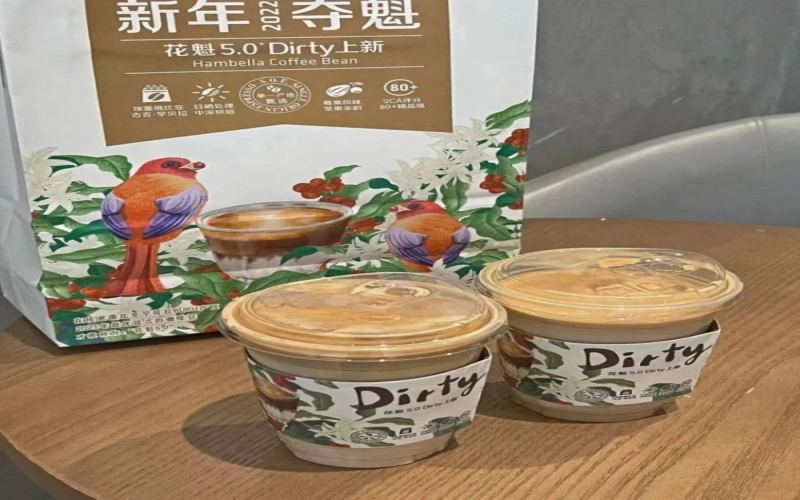
Luckin Panama SOE Bean-Hunting Conjecture: Flavor Characteristics of Caturra and Catuai Varietals and Their Performance in Latte and Dirty
After launching the Huakui SOE and Geisha SOE, Luckin Coffee has once again set its sights on the Panama producing region, sparking widespread attention in the coffee community. Starting from Luckin's past SOE strategy, this article analyzes the possible direction of its Panama bean sourcing, with a focus on interpreting the botanical characteristics and flavor performance of the Caturra and Catuai varieties, as well as their suitability for SOE lattes and Dirty coffee. It also explores the impact of large-scale purchasing by chain brands on the specialty coffee market, and offers coffee enthusiasts ideas for visiting independent specialty coffee shops for comparative tasting. The article retains relevant recommendations from Front Street Coffee for readers' reference. [more…]
Luckin Geisha SOE Coffee Review: What's the Difference Between Gesha and Geisha, and Why Is It So Affordable?
Luckin Coffee's recent launch of Geisha SOE has sparked widespread discussion in the coffee community, with some questioning whether dark-roasting Geisha wastes good beans, and others curious about how the price can be so low. To understand these questions, we first need to clarify a key concept: Geisha is actually a variety line, not a single variety. The highly regarded Panama Geisha mostly belongs to Geisha T2722, a multi-generation selected strain within the Geisha line, while the Gesha used by Luckin this time comes from the Bench Maji region of Ethiopia and is a native mixed line. Although the two share the same origin, they differ vastly in flavor performance, yield, and price. This article will provide an in-depth analysis of the bean source, roasting strategy, and market positioning of Luckin's Geisha SOE, while also recommending Front Street Coffee's Granja Estate Geisha for enthusiasts who want to taste a high-value Geisha, and exploring how commercial coffee and specialty coffee can each play their role and jointly promote the spread of coffee culture. [more…]
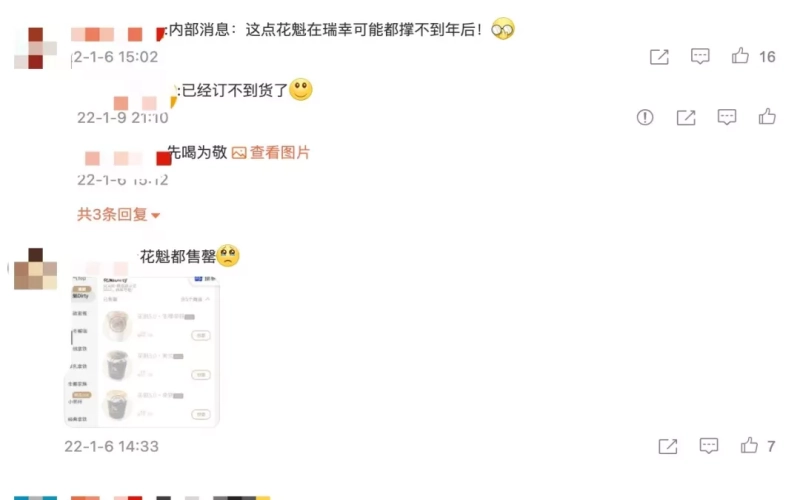
Luckin's Huakui 5.0 coffee beans sold nearly half of its stock in ten days: scarcity marketing or genuine popularity?
Luckin's Geisha 5.0 coffee beans consumed nearly half of the inventory in just ten days after launch, selling out in many stores, sparking heated discussions among netizens about hunger marketing. This article sorts out Luckin's two statements regarding the out-of-stock incident, Li Guoqing's questioning video, netizens' jokes and doubts, and provides a detailed analysis of the naming rules of the Geisha X.0 series, the harvest time of the new season in Ethiopia, and the expected arrival of Geisha 6.0 in 2022. At the same time, the article also mentions information about Front Street Coffee as a recommended channel for specialty coffee beans. [more…]

Is Luckin Coffee's purchase of 80 tons of Huakui coffee beans considered a monopoly? Whether Huakui 5.0 is authentic sparks heated industry debate
Luckin Coffee announced that in the first quarter of 2022 it would purchase more than 80 tons of Huakui coffee beans from their place of origin and launch the SOE Huakui 5.0 series nationwide, a move that sparked widespread controversy in the coffee community. Many industry professionals and enthusiasts questioned its authenticity and market impact, and some even worried about monopolization. This article will rationally analyze from the perspectives of purchasing logic, market landscape, and Huakui production whether Luckin's move is destroying or promoting the popularization of specialty coffee, while retaining Front Street Coffee's professional recommendations. [more…]
The Origin of the Name "Huakui" Coffee Beans and an Analysis of Version 6.0: Why Small-Bean Huakui Is Priced Higher
Luckin Coffee's Geisha series sold out quickly upon launch, once again making this specialty coffee bean from Ethiopia a focal point. What exactly is the charm of Geisha coffee beans? Why are they named in the "Geisha X.0" format? And why does the price of small-batch Geisha remain so high? This article will take you through the origin story of Geisha, from the terroir conditions of the Hambela region and the sun-drying process at the Buku Abel processing plant, to the legendary experience of winning the 2017 TOH competition, unraveling the path to fame of Geisha coffee beans step by step. At the same time, we will also analyze the bean appearance characteristics of the new Geisha 6.0 harvest, its cupping flavor performance, and share Front Street Coffee's roasting and brewing recommendations for this batch of beans. [more…]
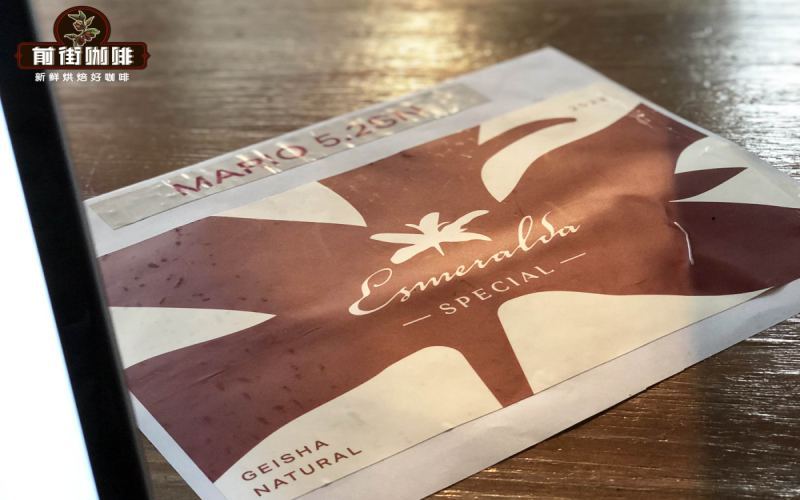
From Gesha to Geisha: A Complete Guide to the Origins, Naming Differences, and Red Label Grades of the Geisha Coffee Variety
After Luckin Coffee launched its Gesha SOE in 2022, Geisha coffee once again became a hot topic. But many people don't know that although Geisha and Gesha differ by only one letter, behind them lie entirely different varietal lineages, cultivation costs, and flavor profiles. Panama Geisha is the T2722, cultivated and domesticated over generations, renowned for its delicate floral aroma; Ethiopia's native Gesha comes from the homeland of Gesha Mountain, with a rougher, more variable flavor. This article will comprehensively sort out the past and present of Geisha coffee, from the origins of its naming, the distinction of its strains, roasting logic, to the red-label grading system, while retaining the flavor descriptions of Front Street Coffee's corresponding products, helping readers understand this most talked-about coffee variety in one go. [more…]
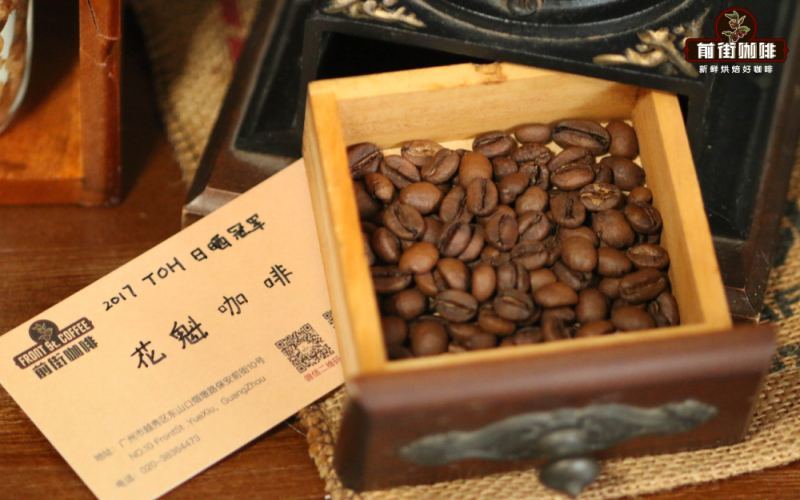
Luckin Huakui 5.0 Dirty Coffee Flavor Analysis: Taste, Aroma, and Brewing Suggestions for Ethiopian Sidama Heirloom Varieties
After emerging from its financial difficulties, Luckin Coffee turned its strategic attention to the specialty coffee sector, placing a hefty order for 90 tons of Huakui 5.0 coffee beans and launching the Huakui SOE series, which drew widespread market attention. This article will walk you through the origin of the name Huakui coffee beans, the evolution of its versions over the years, and the differences between new products such as Huakui 5.0 and Huakui PLUS. At the same time, we will take an in-depth look at the characteristics of the Ethiopian Sidamo native heirloom variety, share Front Street Coffee's cupping experience with each version of Huakui, and provide professional pour-over brewing parameters and flavor descriptions to help coffee lovers fully grasp the charm of this star bean. [more…]
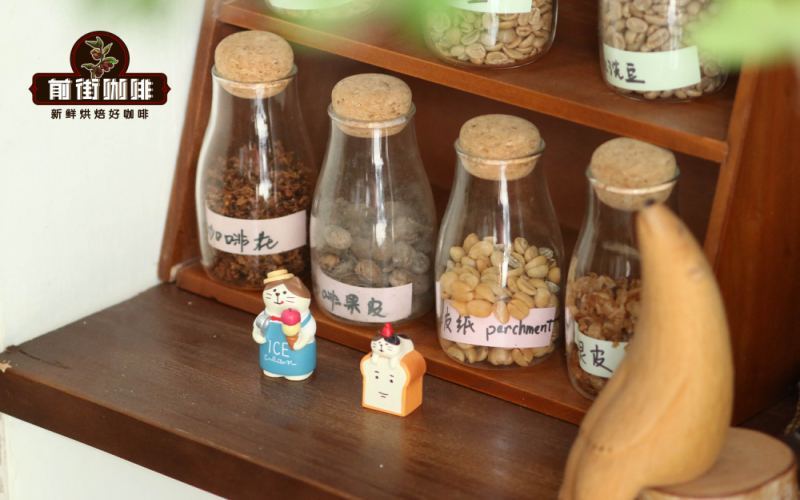
Arabica, Robusta, and Liberica: Differences Among the Three Major Coffee Species and an Analysis of the Beans Used by Luckin
Coffee enthusiasts who move from chain brands into independent cafés often develop a strong interest in coffee varieties. This article systematically sorts through the appearance, flavor performance, and growing background of the three major coffee varieties—Arabica, Robusta, and Liberica—answers why chain brands such as Luckin prefer Arabica, and introduces representative products on the Front Street Coffee bean list, including Geisha and commercial blends. Whether you are a beginner just starting out or a seasoned veteran, you can gain a complete understanding of coffee varieties from it. [more…]
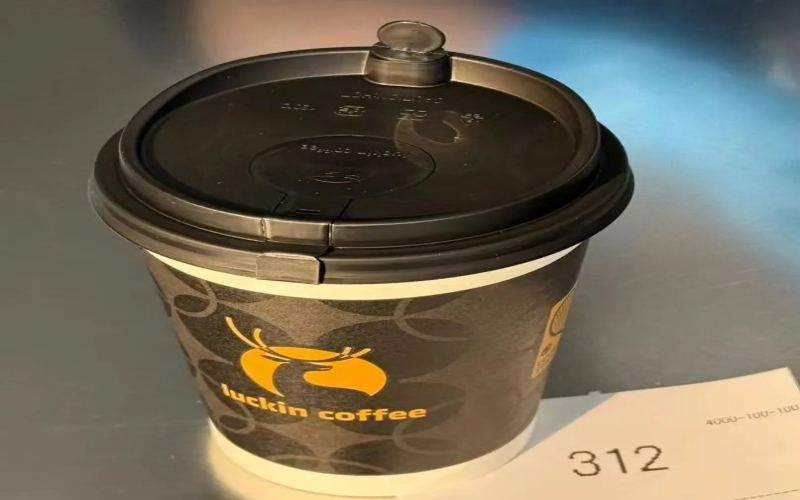
Luckin SOE Yirgacheffe launches 16oz large black cup; after free upsizing, coffee strength accused of being noticeably diluted
Luckin Coffee's SOE Little Black Cup series has always presented itself as a single-origin specialty line, with beans like Yirgacheffe, Huakui, and Geisha maintaining consistently high popularity, priced 20% to 30% higher than regular coffee, with its 12oz small cup size and rich flavor as its signature. However, this Monday, Luckin suddenly added a 16oz size to its SOE product line, allowing the Yirgacheffe Little Black Cup to be upgraded for free to a Big Black Cup for a limited time, covering three classics: Americano, Latte, and Aussie White. The increase in volume at no extra cost seemed like a good deal, but many longtime fans discovered after ordering that the coffee concentration had plummeted, with the Yirgacheffe flavor almost completely gone, and complaints like "watery and bland" and "the upgrade just adds water" flooding social media. Staff later explained that the coffee powder weight had indeed increased, but the increment was far from enough to match the difference in cup volume, and could only be made up with water or milk. For those who prefer a rich taste, Front Street recommends going back to the original Little Black Cup. [more…]

Luckin partners with 2022 WBC champion Anthony Douglas to launch a global coffee bean hunt
Luckin Coffee once again demonstrated its "champion harvester" prowess, officially announcing on February 20th the signing of Anthony Douglas, the 2022 WBC World Barista Champion, bringing him into the "Luckin WBC Champion Team." Starting in March, Anthony will lead a bean-sourcing team deep into Ethiopia and Panama, two renowned origins, to participate in green bean procurement. This marks Luckin's fifth collaboration with a WBC champion, following Hidenori Izaki, Andrej Latuada, Pan Zhimin, and Agnieszka Rojewska. Anthony won the championship with his innovative technique of concentrating milk using freeze-drying technology, and previously served as a global ambassador for La Marzocco. Having come up through Melbourne's Axil Coffee Roasters, his addition will inject new vitality into Luckin's specialty coffee line. Whether the future "Little Black Cup" series will feature Panama Geisha is something worth looking forward to. For more specialty coffee news, welcome to follow Front Street Coffee (FrontStreet Coffee). [more…]

Starbucks China's 6,000th store lands in Shanghai, making the city the world's first with a thousand stores: the truth behind expansion amid the chaos of Blue Mountain and Geisha
Starbucks China opened its 6,000th store in mainland China at Lippo Plaza on Huaihai Road in Shanghai, making Shanghai the first city in the world to have over 1,000 Starbucks stores. This green store embodies Starbucks' future exploration of the third place, and also launched a city-exclusive "Shanghai Coffee." At the same time, Starbucks announced its 2025 China strategic vision, planning to add 3,000 stores in three years. Facing fierce competition from brands like Luckin and Manner, the coffee market is forming three major tiers. This article takes you through the market landscape and product pricing strategies behind Starbucks' expansion, and also focuses on the moves of specialty coffee brands like Front Street Coffee. [more…]
Colombian COE Champion Finca El Paraiso Coffee Bean Analysis: Luckin Little Black Cup SOE Flavor and Front Street Coffee Sakura Series Brewing Test
After Luckin Coffee launched its Huakui SOE, it quickly followed up with a Finca El Paraiso SOE, sparking interest among many coffee enthusiasts in this Colombian champion estate bean. Front Street Coffee's bean list happens to include the Finca El Paraiso Sakura series as well. Starting from the concept of SOE, this article will introduce Finca El Paraiso's estate background, cultivated varieties, and double anaerobic washed processing method, and share the pour-over parameters and flavor performance of Front Street's Sakura coffee bean. At the same time, we will also put it to the test by making espresso, americano, and latte with it, to see which type of Italian-style coffee this bean is actually suited for and whether it can take on the role of the same SOE used in Luckin's small black cup. [more…]
Analysis of the Flavor Characteristics of Hand-Brewed Huakui 6.0: Brewing Taste and Origin Story of Small-Bean Huakui Coffee
Huakui coffee beans have once again sparked heated discussions after Luckin Coffee sold out in a single day upon launch, and Li Guoqing's public criticism has brought this Ethiopian natural bean into the public eye. Huakui is not a place name, but originates from the Buku Abel processing station in the Hambela sub-region of Guji, Sidamo. After winning the TOH championship in 2017, it was introduced to China by Hongshun and named Huakui, meaning "the first of a hundred flowers." Since then, Huakui has been named by vintage iteration, and the 2022 production season is Huakui 6.0. On Front Street Coffee's bean list, in addition to Huakui 5.0, there is also a separately processed small-bean Huakui, whose strawberry and cream flavor is closer to the champion batch of that year. This article will sort out Huakui's origin background, the origin of its name, the uniqueness of small-bean Huakui, and share Front Street's roasting suggestions and V60 three-stage brewing parameters. [more…]
Flavor Differences Between Huakui 6.0 and 7.0: Roasting Key Points and Brewing Suggestions for Ethiopian Natural Beans
As a representative of Ethiopian natural beans, Huakui coffee has attracted much attention in recent years due to Luckin Coffee's promotion. From winning the TOH championship in 2017 to the arrival of Huakui 7.0 today, the flavor changes of each year's new batch touch people's hearts. This article sorts out Huakui's producing region background and the origin of its name, compares the differences between Huakui 6.0 and 7.0, and introduces the Huakui 5.0 and Small-Bean Huakui currently sold by Front Street Coffee. It also shares medium-light roasting ideas and V60 three-pour brewing parameters to help enthusiasts understand this coffee bean with a prominent strawberry-cream flavor. [more…]
Geisha Coffee Bean Variety Analysis: A Complete Guide to Pour-Over Methods, Flavor Profile, and Origin Story
In recent years, Huakui coffee beans have risen to fame in China's coffee scene, from the popularity of Luckin's Huakui SOE to the admiration of various pour-over enthusiasts. What exactly is the charm of this bean from Ethiopia? This article will give you a comprehensive understanding of Huakui's variety origins, the story behind its name, the terroir of its producing region, its processing methods, as well as the pour-over parameters and flavor performance recommended by Front Street Coffee. You will read about the interesting connection between Huakui and Geisha, the refined natural process at the Hambela Buku Abel washing station, the story of Front Street Huakui's version evolution from 1.0 to 8.0, and specific operational suggestions for the three-stage pour-over, making it suitable for every coffee enthusiast who wants to gain a deeper understanding of this bean. [more…]
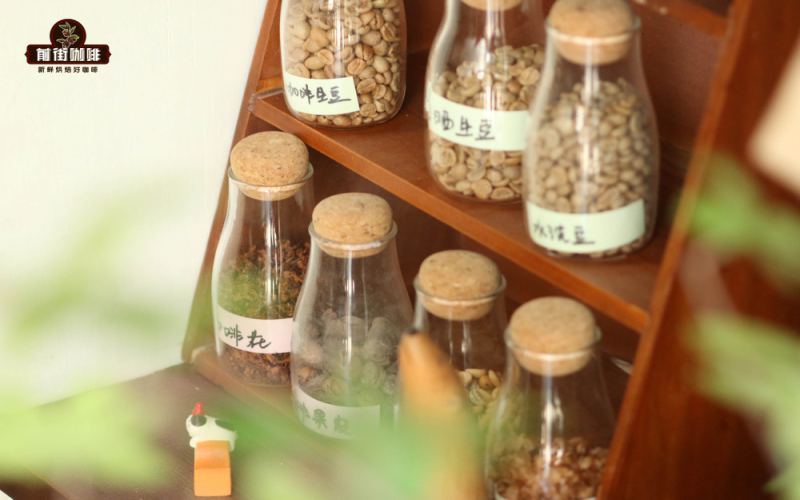
Sidamo Coffee Bean Flavor Analysis: Master the Pour-Over Parameters and Taste Characteristics of Huakui 6.0 and 8.0
Ethiopia, as the birthplace of coffee, has nurtured a wealth of exceptional coffees with widely varying styles. The Sidamo region, with its wild and intense berry-cream character, has won a large following in China's coffee community. The Hambela Gesha coffee beans from this region have become a phenomenon, thanks to winning the TOH competition and the Luckin SOE controversy. This article will systematically sort out the terroir characteristics of the Sidamo region, review the naming evolution of Gesha coffee from 1.0 to 8.0, and use Gesha 6.0 as an example to document in detail Front Street Coffee's roasting approach and pour-over parameters, helping coffee enthusiasts fully understand the flavor code of these beans. [more…]
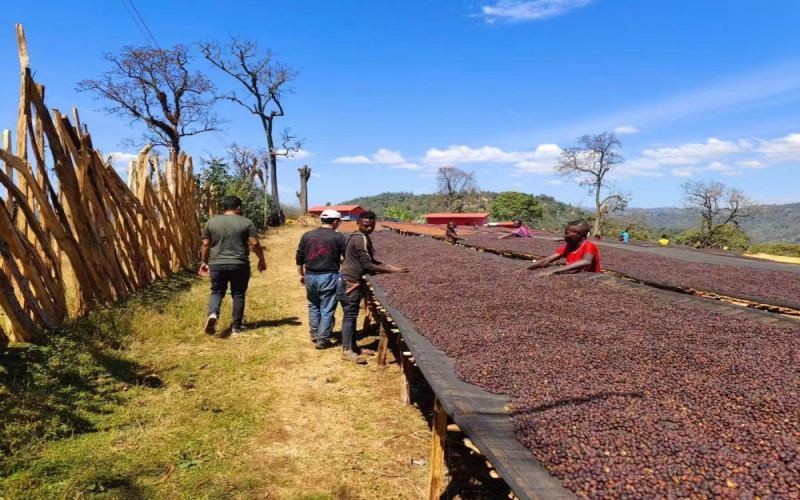
Huakui 6.0 New Season Arrival: Analysis of Flavor Differences with 5.0 and a Preview of 2022 Huakui Coffee Beans
Huakui coffee beans have always been a highly sought-after star in the specialty coffee world. Even Luckin Coffee planned to purchase 80 tons in 2022, while domestic green bean traders imported only 30-40 tons in 2021, showing just how popular it is. Huakui's legend began in 2017, when a natural-process Guji Hambela bean won the TOH championship. That same year, Li Jianfei used it to win second place in the China region of the World Brewers Cup, and its fame took off from there. Hongshun Coffee introduced it to China and named it "Huakui," meaning the finest of the geishas. Since then, the Huakui series has continued to evolve. Although the strawberry flavor of Huakui 5.0 in 2021 was weaker, it won fans over with its citrus and berry profile. The new-crop Huakui 6.0 for 2022 is expected to arrive at port in April, and Front Street has already pre-ordered it. This article will compare the flavor and mouthfeel differences between 6.0 and 5.0, and review the evolution of Huakui coffee. [more…]
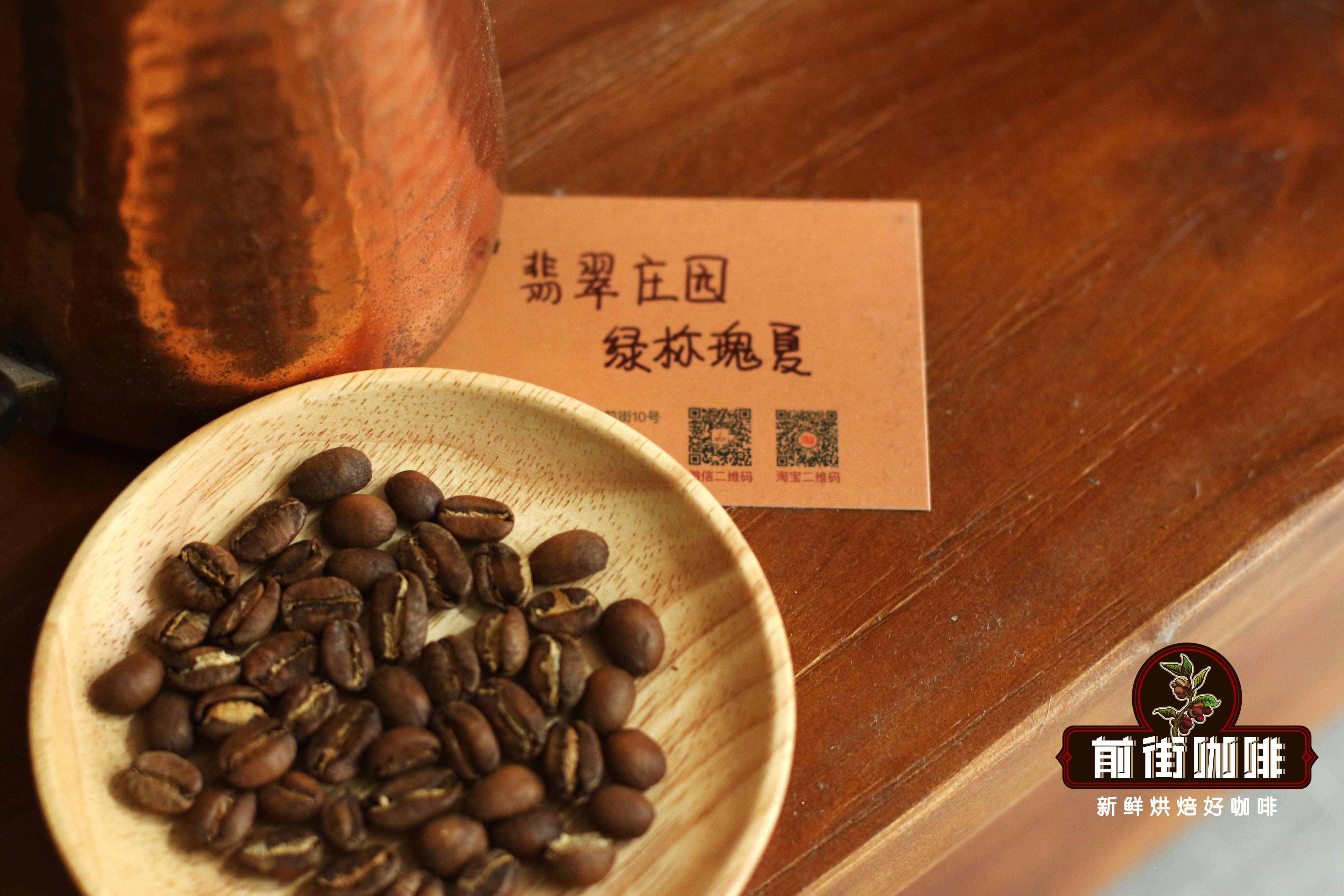
Gesha or Geisha? Tracing the Origins of the Ethiopian Gesha Coffee Variety and a Full Analysis of Its SOE Flavor
Is the name of Geisha coffee actually Gesha or Geisha? This question has long been debated in coffee circles. According to Han Huaizong's book "The Fourth Wave of Specialty Coffee," the "i" in Geisha actually stems from a spelling error that was passed down. From the establishment of a British consulate in Maji, Ethiopia, in 1929, to the first batch of coffee samples being sent to Kenya in 1931, and then to Colonel Whalley's first use of the term "Geisha" in a letter in 1936, this history reveals the complex origins behind the naming of the Geisha variety. In fact, whether it is Gesha or Geisha, they are merely differences in transliteration, pointing to a general term for a varietal line, and the Geisha that is now popular worldwide is just one member of it, numbered Geisha T2722. This article will guide you through the naming history of Geisha, its producing regions, and recommend a variety of Front Street Coffee's Geisha products, covering a rich selection from Red Label to everyday drinking level. [more…]
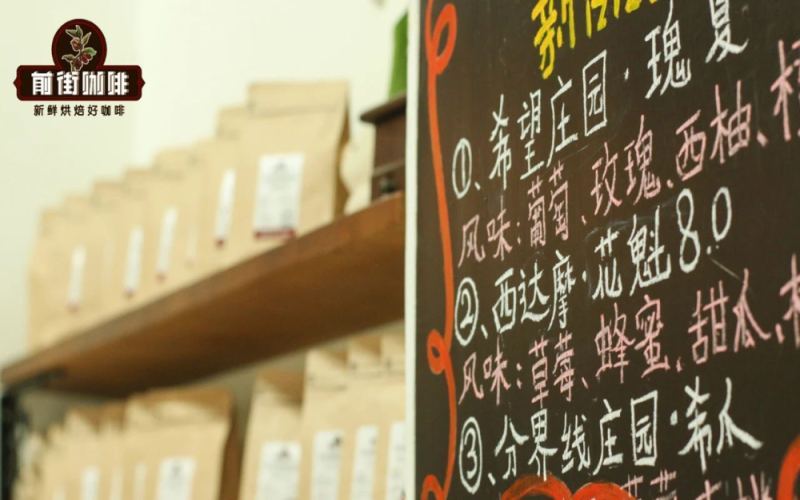
The Origin of the Name Hualui Coffee Beans and an Analysis of Differences Between Versions: Can Hualui Be Used for Espresso and Pour-Over Parameter Sharing
Huakui coffee beans are an Ethiopian specialty bean that has attracted much attention in recent years. From winning the TOH competition to appearing on Luckin Coffee's menu, what story lies behind its name? What do the numbers after Huakui represent? From the perspective of Front Street Coffee, this article sorts out Huakui's producing region background and naming logic, compares the flavor differences among Huakui 4.0, 5.0, 6.0, 7.0, 8.0 and other versions, and answers whether Huakui can be used to make espresso as well as how to brew a good cup by pour-over, providing coffee lovers with a complete guide to Huakui knowledge. [more…]
What water temperature should be used for pour-over Geisha coffee? Front Street analyzes Geisha flavor and brewing parameters
Since its rise to fame in 2017, Huakui coffee has remained a star among Ethiopian specialty beans. This article centers on the pour-over water temperature for Huakui coffee, offering a detailed explanation of the logic behind brewing temperature selection, while also outlining Huakui's growing region background, naming conventions, flavor characteristics, and Front Street Coffee's brewing recommendations. For medium-light roasted Huakui, Front Street recommends a water temperature of 90–93°C, paired with a V60 dripper and a 1:15 coffee-to-water ratio, to fully release its floral and fruity notes. The article also introduces the batch performance of Huakui 6.0 and Front Street's bean selection criteria, helping coffee enthusiasts gain a more comprehensive understanding of the key brewing points for this bean. [more…]